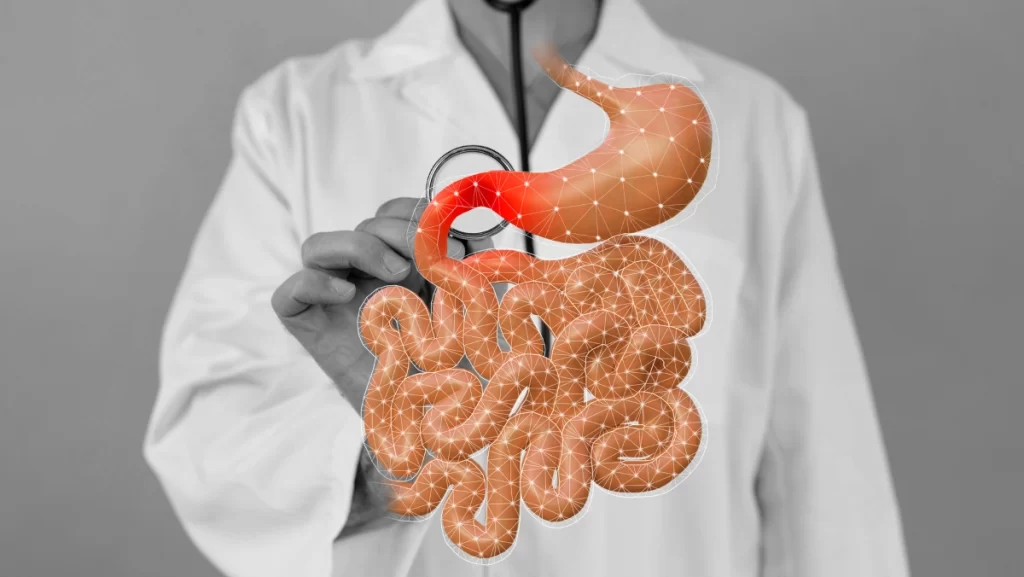
Your Gastroenterology Hospital in Chennai
Deepa Hospital in Ayapakkam, Chennai is a gastroenterology hospital that diagnoses and treats problems of the digestive system: the food pipe (esophagus), stomach, intestines, liver, gallbladder and pancreas. You can get a consultation, tests such as endoscopy and colonoscopy, treatment and follow-up care at one hospital, without moving between separate clinics.
What is gastroenterology?
Gastroenterology is the branch of medicine that looks after the digestive system, also called the gastrointestinal (GI) tract. This system takes in food, breaks it down, absorbs nutrients and removes waste. When any part of it is inflamed, infected, blocked or not working properly, you may notice pain, acidity, bloating, vomiting or changes in your bowel habits.
A gastroenterologist is a doctor who finds the cause of these problems and treats them. Many serious digestive conditions begin with ordinary-looking symptoms like acidity or gas, which is why early evaluation matters.
How food travels through your digestive system
Knowing the path helps you understand where a problem may be coming from:
1. Mouth and esophagus: food is chewed and swallowed down the food pipe into the stomach.
2. Stomach: acid and digestive juices break the food down into a thick liquid.
3. Small intestine: most nutrients are absorbed here, with help from bile (made by the liver and stored in the gallbladder) and enzymes from the pancreas.
4. Large intestine (colon): water is absorbed and the remaining waste forms stool.
5. Rectum and anus: stool is stored and then passed out of the body.
The liver, gallbladder and pancreas do not carry food, but digestion cannot work without them. That is why liver and pancreas conditions are also treated under gastroenterology.
Why patients choose our gastroenterology hospital in Chennai
Personalized treatment plans for sudden (acute) and long-term (chronic) digestive problems, based on your symptoms, test results and daily habits.
Minimally invasive procedures such as endoscopy and colonoscopy, which look inside the digestive tract without major surgery and usually allow a quicker recovery.
Ongoing care and monitoring for long-term conditions such as liver disease, irritable bowel syndrome (IBS) and inflammatory bowel disease.
Experienced specialists, including Dr. M. Sashi Kumar, for accurate diagnosis and treatment.
Joined-up care, with dietitians, surgeons and our emergency and ICU team in the same hospital, so your diagnosis, treatment and follow-up stay connected.
Patient education We explain your diagnosis, medicines and diet in plain language so you know what to do at home.
Gastroenterology care at Deepa Hospital at a glance
| Detail |
Information |
| Location |
Deepa Hospital, No. 6, Thiruvarkadu Main Road, Ayapakkam, Chennai – 600 077 |
| Conditions covered |
Stomach, intestines, liver, pancreas and gallbladder-related problems, including children’s digestive concerns |
| Tests and procedures |
Diagnostic endoscopy and colonoscopy |
| Emergency care |
Emergency and ICU services available round the clock |
| Care led by |
Dr. M. Sashi Kumar, senior consulting physician |
| Appointments |
90 6933 6933, 044 2682 2340, 95 6616 2340 |
Types of Digestive Conditions We Treat
Digestive problems fall into a few main groups, depending on which organ is affected. Our gastroenterology hospital in Chennai brings these areas together at Deepa Hospital, so related concerns can be evaluated and treated under one roof.
General gastroenterology (stomach and intestines)
This covers the everyday problems most people know: acidity, indigestion, acid reflux (GERD), gastritis (an irritated stomach lining), peptic ulcers (sores in the stomach or upper small intestine), constipation, diarrhoea, irritable bowel syndrome (IBS) and inflammatory bowel disease. Some of these last only a few days. Others keep coming back, and the right treatment depends on finding the cause.
Hepatology (liver)
The liver filters your blood, makes bile for digestion and processes medicines. Common liver conditions include hepatitis (inflammation of the liver), fatty liver (extra fat stored in the liver) and cirrhosis (long-term scarring). Liver problems can stay silent for years, so testing matters even when you have no pain. Read early symptoms of liver damage to watch for. Fatty liver is also closely linked to diabetes, so it is managed alongside our Complete Diabetes Care services where relevant.
Pancreatology and gallbladder care
The pancreas makes the enzymes that digest food and the insulin that controls blood sugar. Pancreatitis (inflammation of the pancreas) and pancreatic cysts need careful evaluation. Gallstones, which are small hard deposits in the gallbladder, can cause pain after meals and sometimes need surgery. Our General Surgery team supports these patients.
Endoscopy and colonoscopy
An endoscopy uses a thin, flexible tube with a tiny camera to look at the esophagus, stomach and the first part of the small intestine. A colonoscopy does the same for the large intestine and rectum. Doctors use these tests to find the cause of symptoms, to take a small tissue sample (biopsy) when needed, and in some cases to treat a problem during the same procedure.
Pediatric gastroenterology
Children can have digestive problems too, such as long-lasting vomiting, repeated loose stools, constipation, stomach pain or poor weight gain. These concerns are best checked early. Read about our Pediatrics and Neo Natology services.
| Condition |
What It Means |
Common Signs |
| Acid reflux (GERD) |
Stomach acid flows back up into the food pipe. |
Burning in the chest, sour taste, worse after meals or when lying down. |
| Gastritis |
The stomach lining is irritated or inflamed. |
Upper abdominal discomfort, nausea, feeling full quickly. |
| Peptic ulcer |
An open sore in the lining of the stomach or upper small intestine. |
Burning pain between meals or at night, bloating. |
| IBS |
A long-term bowel condition where the gut is sensitive, without visible damage. |
Cramps, gas, constipation or diarrhoea, relief after passing stool. |
| Inflammatory bowel disease |
Long-term inflammation of the intestine (Crohn’s disease or ulcerative colitis). |
Ongoing diarrhoea, blood in stool, weight loss, tiredness. |
| Fatty liver |
Extra fat builds up in the liver. |
Often none; some people feel tired or have upper right abdominal discomfort. |
| Hepatitis |
The liver is inflamed, for example by a virus, alcohol or certain medicines. |
Yellow eyes or skin, dark urine, tiredness, loss of appetite. |
| Pancreatitis |
The pancreas is inflamed. |
Severe upper abdominal pain that may spread to the back, vomiting. |
| Gallstones |
Hard deposits form in the gallbladder. |
Pain in the upper right abdomen, often after fatty meals. |
Our team works with dietitians, surgeons and other specialists so that diagnosis, treatment and follow-up stay connected rather than scattered across separate visits.
Digestive Symptoms: When to See a Doctor
Occasional gas or heartburn is common and often settles on its own. See a doctor if a symptom lasts more than two weeks, keeps coming back, or is getting worse. Early diagnosis often means simpler treatment and fewer complications.
Common symptoms that need attention
| Symptom |
What You May Notice |
Why It Matters |
| Persistent abdominal pain |
Pain or discomfort in the upper or lower belly that lasts for days or keeps returning. |
Can point to ulcers, gallstones, infection or a bowel condition. |
| Bloating and gas after meals |
A tight, swollen belly, frequent burping or passing gas. |
Often linked to eating habits, but can also be a sign of IBS or another digestive problem. |
| Nausea or frequent vomiting |
Feeling sick often, or vomiting again and again. |
Can be caused by infection, gastritis or a blockage, and can lead to dehydration. |
| Heartburn or acid reflux |
A burning feeling in the chest or throat, a sour taste, especially after eating or lying down. |
Reflux that goes on for a long time can irritate the food pipe. |
| Chronic diarrhoea or constipation |
Loose stools or hard-to-pass stools for weeks, or a lasting change in your usual pattern. |
May point to IBS, infection or inflammatory bowel disease. |
| Unexplained weight loss |
Losing weight without trying. |
A sign that something may be affecting digestion or absorption. |
| Blood in stool or black stools |
Red blood in stool, or black, tar-like stools. |
Can come from bleeding anywhere in the digestive tract and needs prompt evaluation. |
Also see a doctor if you have trouble swallowing, or if food feels stuck in your chest or
throat.
Warning signs: get urgent care
Go to an emergency department or call us straight away if you have:
- Vomiting blood, or vomit that looks like coffee grounds
- Black, tarry stools or heavy bleeding from the rectum
- Severe abdominal pain that does not ease, or a hard, swollen belly
- Yellow eyes or skin together with fever, severe pain or confusion
- Repeated vomiting or diarrhoea with signs of dehydration, such as a very dry mouth,
passing little urine or feeling dizzy.
How We Diagnose Digestive Problems
An accurate diagnosis comes first, because different conditions can cause the same symptoms. Pain in the upper abdomen, for example, can come from acidity, an ulcer,
gallstones or the pancreas. Our doctors usually follow these steps:
1. A detailed conversation. We ask about your symptoms, how long you have had them, your diet, the medicines you take (including painkillers), alcohol use and your family history.
2. A physical examination of your abdomen and your general health.
3. Tests when needed. Depending on your symptoms, these may include blood tests, stool tests, scans such as an ultrasound, or an endoscopy or colonoscopy. Your doctor decides which tests you need, and not everyone needs every test.
What to expect during an endoscopy or colonoscopy
1. Before the test. Your doctor explains the procedure and gives instructions on fasting and, for a colonoscopy, on cleaning the bowel. Tell the team about your medicines (especially blood thinners and diabetes medicines) and any allergies.
2. During the test. A thin, flexible tube with a camera is passed gently to look at the lining of your digestive tract. The doctor may take a small tissue sample (biopsy). Comfort measures such as throat numbing spray or sedation may be used, depending on the test and your needs.
3. After the test. You are observed for a short time and the doctor explains what was seen. Biopsy results take longer and are reviewed at your follow-up visit.
Advanced Gastroenterology Treatment in Chennai
Once the cause is clear, treatment at our gastroenterology hospital is matched to your
condition rather than a standard protocol applied to everyone. Depending on your
diagnosis, your plan may include:
- Medication therapy Medicines that reduce stomach acid, treat an infection, calm
inflammation or ease bowel symptoms, for conditions such as GERD, IBS and ulcers.
- Diet and lifestyle guidance built around your actual eating patterns, work routine and
other health conditions, not a generic sheet.
- Endoscopic procedures that can treat certain problems during the same test used to
find them.
- Ongoing monitoring for long-term conditions such as liver disease and inflammatory
bowel disease, with regular reviews, tests and changes to the plan when needed.
When surgery is needed
Some conditions, such as gallstones or hernia, need surgery. Our General Surgery team supports gastroenterology patients directly. Dr. S. Sri Vishnu, our Consultant in Minimal Access Surgical Oncology and Robotic Cancer Surgery, provides minimally invasive options through our General Surgery Hospital in Chennai. Minimally invasive surgery uses small cuts instead of one large cut, which often means less pain and a shorter hospital stay.
Gastro Emergency Care in Chennai
Some digestive problems cannot wait for a scheduled appointment. Deepa Hospital’s emergency and ICU services are available round the clock, so patients with sudden digestive symptoms can be evaluated at any hour.
Come to the emergency department if you have sudden severe abdominal pain, vomiting blood, black or bloody stools, vomiting that stops you keeping fluids down, or a hard, swollen abdomen. While you are on your way, avoid taking anti-inflammatory painkillers such as ibuprofen or diclofenac on your own, because they can irritate the stomach. If you can, bring your previous reports and a list of your medicines.
Who Coordinates Your Care
If you are looking for a senior gastroenterologist in Chennai, care at our gastroenterology hospital is led by our senior consulting physician, Dr. M. Sashi Kumar, Managing Director of Deepa Hospital. He works with our diagnostic and specialist team through evaluation, treatment and follow-up, so you have one point of coordination for your care.
For surgical needs related to the digestive system, Dr. S. Sri Vishnu provides minimally
invasive and robotic-assisted procedures.
RecoveryAfter Gastroenterology Treatment
Recovery depends on your condition and the treatment you had. Most people return to normal activities quickly with proper care. Your doctor will give instructions for your own case, and the points below are a general guide.
After an endoscopy
- A sore throat, mild bloating or gas is common and usually passes within a day
- If sedation was used, do not drive or make important decisions for the rest of the day,
and go home with someone who can accompany you.
- Start with light food once the numbness in your throat wears off, unless your doctor
tells you otherwise.
After a colonoscopy
- Cramping, gas and bloating are common while the air used during the test passes
- A small amount of blood in your stool can occur after a biopsy or polyp removal. Heavy
bleeding needs immediate attention.
- Eat and drink normally unless you have been given other instructions
Recovery with medicines (GERD, IBS and ulcers)
- Improvement often builds over several weeks. Take the full course of medicines, and
do not stop just because you feel better unless your doctor advises it.
- Diet and routine changes, such as smaller meals and not lying down right after eating,
matter as much as the medicines.
- Keep your follow-up visits. They show whether the treatment is working.
Recovery with long-term conditions such as liver disease or inflammatory bowel disease
Care here is ongoing rather than a single course of treatment. It usually includes regular reviews, blood tests, diet advice and avoiding alcohol or medicines that your doctor has told you to avoid.
Recovery after surgery
Surgery such as gallbladder removal or ulcer repair may need a few weeks of recovery and follow-up visits. Keep the wound clean and dry, walk short distances as advised, and avoid heavy lifting until your surgeon says it is safe.
When to contact us after treatment
Call us or come in if you have fever, abdominal pain that is getting worse, repeated vomiting, heavy bleeding, black stools, or redness or discharge from a surgical wound. Following your doctor’s guidance closely helps you recover smoothly and faster.
Preventing Digestive Problems
Preventive care is part of good digestive health. Small daily habits, repeated over time,
can lower your risk of many digestive problems. Here is what to do and why it helps.
Food and drink
- Eat a balanced, fibre-rich diet with fruits, vegetables, whole grains and pulses. Fibre
keeps stools soft and bowel movements regular. Add it slowly and drink enough water.
- Stay hydrated. Water supports digestion and helps prevent hard stools.
- Limit spicy, fatty and processed foods if they trigger acidity or discomfort. Fatty and
processed food can also add to the risk of fatty liver.
- Eat smaller, more frequent meals if large meals cause bloating, and keep regular meal
times. If you have reflux, avoid lying down for two to three hours after eating
- Limit alcohol and caffeine. Alcohol harms the liver and irritates the stomach, and
caffeine can worsen reflux in some people.
Daily habits
- Exercise regularly. A daily walk supports digestion and helps you keep a healthy
weight, which lowers the risk of reflux and fatty liver.
- Avoid tobacco. Smoking raises the risk of ulcers and reflux
- Manage stress through yoga, meditation, enough sleep or other relaxation
techniques. Stress can trigger flare-ups of IBS and acidity.
Medicines and infection protection
- Use painkillers carefully Anti-inflammatory painkillers can irritate the stomach and
cause ulcers when taken often. Ask your doctor before using them for a long time.
- Practise food and water safety Drink safe water, eat freshly cooked food and wash
your hands before eating. This helps prevent infections such as typhoid, hepatitis A
and stomach infections.
- Ask about hepatitis vaccines Your doctor can tell you whether hepatitis A and B
vaccination is right for you.